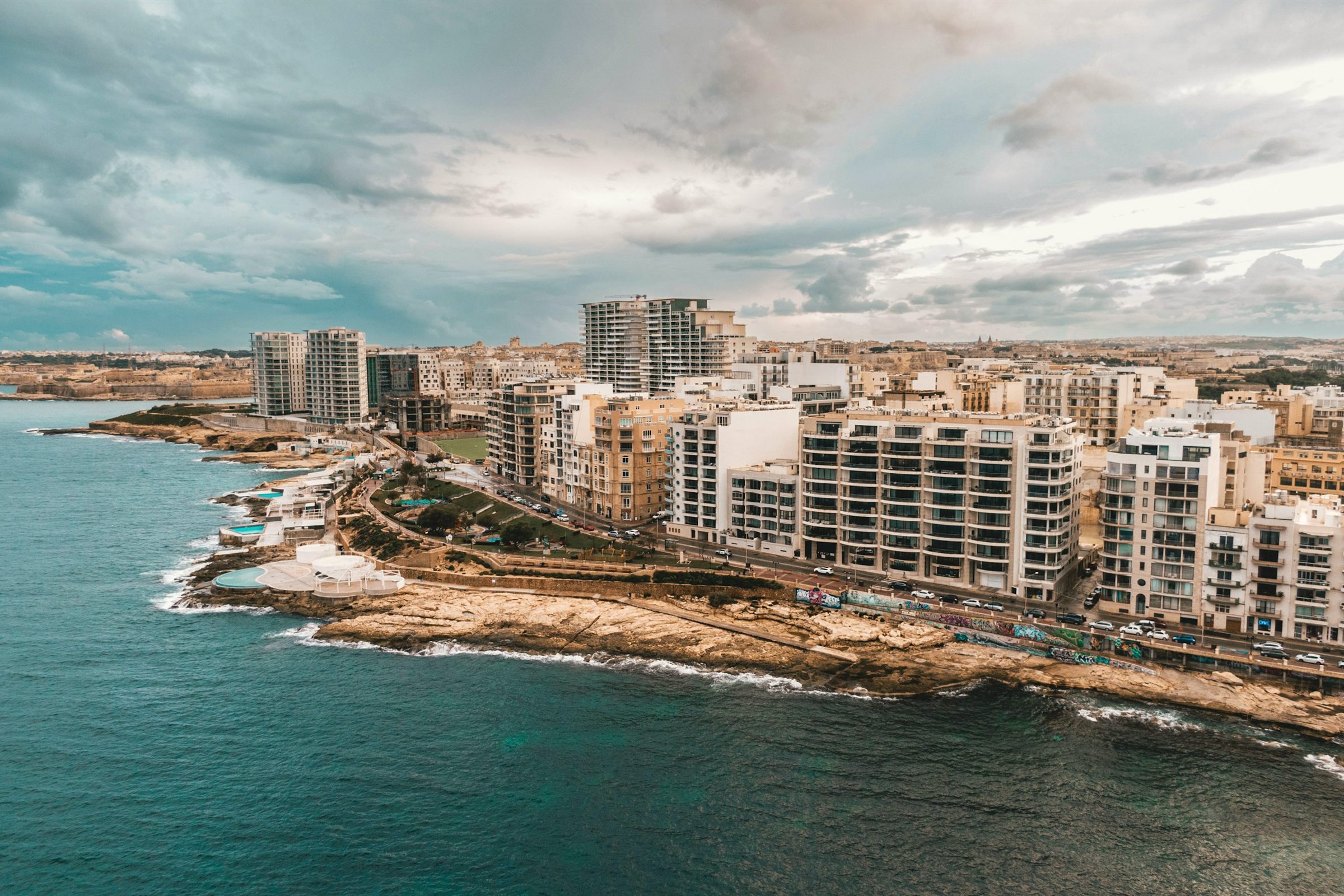
Why gaming groups chose Malta
Malta is a small EU member state in the Mediterranean that uses the euro and has English as an official language alongside Maltese. It built a regulatory framework for remote gaming early, and over time a large ecosystem formed around it: operators, platform providers, game studios, affiliates, payment specialists, lawyers, auditors and compliance consultants. For many gaming businesses, the attraction was a respected licence from an EU jurisdiction, a skilled workforce with industry experience and service providers who understood the sector.
The industry has matured. Many markets now require local licences, so a Malta licence is often one of several licences held by a group. Malta remains a common location for the group's operational hub, where key staff, compliance teams and technical functions sit, even when much of the revenue comes from markets licensed elsewhere.
The Malta Gaming Authority and the Business Registry
Two Maltese bodies appear in almost every Malta gaming file.
The Malta Gaming Authority, the MGA, licenses and supervises gaming operators and certain suppliers. Its licences broadly distinguish between business to consumer operators, who offer games to players, and business to business suppliers, who provide critical gaming supplies such as platforms or game content to operators. Licensees are subject to rules on player protection, fairness, technical systems, anti money laundering and the handling of player funds. The MGA keeps a public register of licensees, which payments providers routinely check.
The Malta Business Registry registers companies and other commercial entities and holds their public filings, such as the memorandum and articles, details of directors and shareholders, and annual returns and accounts. It also maintains the register of beneficial owners for Maltese companies. A Business Registry extract is the standard way to confirm a Malta company's existence, officers and shareholders.
Malta also has a financial intelligence analysis unit and anti money laundering rules that apply to gaming licensees as subject persons. Licensees must have their own customer due diligence, transaction monitoring and reporting procedures, which a payments provider will want to understand.
Common group structures
Gaming groups vary, but several building blocks recur. Understanding them helps a group explain itself quickly to a provider.
- Licensed operating company. A Malta company that holds the MGA licence, contracts with players and holds player balances. This entity faces the most regulatory scrutiny.
- Other licensed entities. Companies licensed in other markets, such as the Isle of Man, a Caribbean territory or individual European countries, each serving players in those markets.
- Service company. A Malta company that employs staff and provides marketing, customer support, compliance and technical services to the licensed entities under intercompany agreements.
- Intellectual property company. Owns the brands, domains and software, and licenses them to the operating companies.
- Holding company. Sits above the group, often in Malta, Cyprus or another holding jurisdiction, and owns the shares of the operating and service companies.
Money moves between these companies constantly. The licensed entity receives player deposits and pays out winnings. It pays the service company for staff and services, the IP company for licences, and external suppliers for games and platforms. Profits move up to the holding company as dividends. Each of those flows needs a contract or resolution behind it.
Documents a Malta gaming company produces
For a Malta company that holds or supports an MGA licence, an onboarding pack typically contains:
- Certificate of registration from the Malta Business Registry.
- Memorandum and articles of association.
- A recent Business Registry extract showing directors, company secretary, shareholders and registered office.
- Confirmation of beneficial ownership from the Business Registry's register of beneficial owners.
- The MGA licence, showing the licence number, type and the games or services it covers.
- Latest audited financial statements.
- A group structure chart covering all licensed and unlicensed group companies.
- The company's anti money laundering policies, or a summary of them, including how player due diligence is carried out.
- Details of the key function holders the MGA has approved, such as the compliance and money laundering reporting officers.
- Board resolution opening the account and naming authorised signatories, with identity documents for directors, signatories and beneficial owners.
For non-licensed group companies, the corporate documents, financial statements and intercompany agreements are usually enough, together with a clear explanation of their role.
Player funds and reconciliation
A recurring question from payments providers concerns player funds. Gaming operators hold money that belongs, in a practical sense, to players: deposits not yet wagered and winnings not yet withdrawn. Regulators generally expect operators to protect these funds and to be able to show that player balances are covered.
A provider will typically ask:
- Where player funds are held and whether they are separated from operating funds.
- How often player balances are reconciled against account balances.
- Which payment processors collect deposits, and how and when those processors settle to the operator.
- How withdrawals are processed, and what checks are made before paying a player.
Operators that can answer these points clearly, ideally with a short diagram of their funds flow, tend to be onboarded more smoothly. The diagram should show cards and alternative payment methods flowing into processors, processors settling into the operator's accounts, and payouts flowing back to players.
Typical payment flows to plan for
Beyond player money, a Malta gaming group has a wide range of business payments. Planning for them makes life easier for both the group and its providers.
| Flow | Usual direction | Supporting documents |
|---|---|---|
| Processor settlements | Into the licensed operator | Processor agreement and settlement reports |
| Game and platform fees | Out to B2B suppliers | Supplier contracts and invoices |
| Affiliate commissions | Out to many affiliates, often monthly | Affiliate terms and commission statements |
| Intercompany service fees | Between group companies | Intercompany agreements and invoices |
| Gaming taxes and licence fees | Out to regulators and tax authorities | Returns and assessments |
| Dividends | Up to the holding company | Board resolutions and accounts |
Affiliate payments deserve special mention. A group may pay hundreds of affiliates in many countries and currencies each month. Batch payouts, where a single file of payments is uploaded and executed together, save time. Providers will screen each affiliate as a payee, so keep affiliate details accurate and complete, including full legal names and addresses.
Currency in gaming groups
Malta companies keep their books in euros, but gaming revenue comes in many currencies. Players in Canada pay in Canadian dollars, players in the Nordic countries in their krona or krone, players in Latin America in local currency or US dollars. Processors may settle in the player currency or convert to euros themselves, often at rates the operator does not control.
Groups that receive settlements in several currencies can choose when to convert to euros and keep balances in currencies they need for supplier or affiliate payments. Spot conversion at a known rate, with confirmations kept for the auditors, is the simplest approach. The key is to know the group's natural currency positions: what comes in, what goes out and in which currencies, before deciding how much to convert.
Intercompany agreements and transfer of funds
In a gaming group, intercompany payments are often larger and more frequent than payments to outside parties. The licensed operator may pay the service company every month for staff costs plus a margin, pay the IP company a royalty based on revenue, and receive loans from the holding company when it needs to top up player fund coverage or meet a regulatory capital requirement.
Each of these flows should rest on a written agreement that sets out the service or right provided, how the price is calculated, the payment terms and the currency. Invoices should follow the agreement, and the amounts paid should match the invoices. When a payments provider sees a large transfer from the operator to a group company, it will usually ask for the agreement and the invoice. If the agreement was signed years ago and the pricing has since changed, update it.
Keep in mind that regulators may also look at intercompany flows, particularly where money leaves the licensed entity. Some licensing regimes restrict the movement of funds out of the licensee if player funds or capital requirements would be affected. A provider will expect the group to know its own rules on this and to apply them consistently.
Tips for a faster onboarding
- Send the full group chart first, with each company's role and licence written beside it.
- Include a funds flow diagram for player money and a separate one for business payments.
- List the markets the group accepts players from and the licence that covers each.
- Provide recent audited accounts for the licensed entity and the holding company.
- Name the compliance officer and money laundering reporting officer, with contact details.
- Disclose any regulatory history up front, with the outcome.
Groups that send this material in one organised package usually find that the provider's follow up questions are few and specific.
What concerns payments providers
Gaming is classed as a higher risk sector by most regulated providers. Gaming businesses can still be served, and their files are reviewed carefully. Points that commonly come up:
- Licensed markets. Providers want to know which countries the group accepts players from, and whether it holds the licences needed for those countries. Serving players in markets where the group is not licensed is a significant concern.
- Regulatory history. Any regulatory sanctions, licence suspensions or investigations should be disclosed and explained.
- Ownership. Gaming groups sometimes have complex ownership with funds or trusts at the top. Identify every beneficial owner.
- Source of funds. Initial capital and any shareholder loans should be traceable.
- Changes. New markets, new brands or a change of control should be notified to the provider in good time.
A related setup on the Isle of Man is covered in our Isle of Man company guide.
General information only
This article gives general information about Malta gaming companies and their payments. It is not legal, regulatory or tax advice. Licensing rules change, and gaming groups should take advice from Maltese lawyers and their own compliance advisers. CCYFX does not handle licensing or form companies. Gaming groups that need FX, international payments or batch payouts for suppliers and affiliates can read how CCYFX approaches the sector on our iGaming page.