How supplier payments in Asia differ
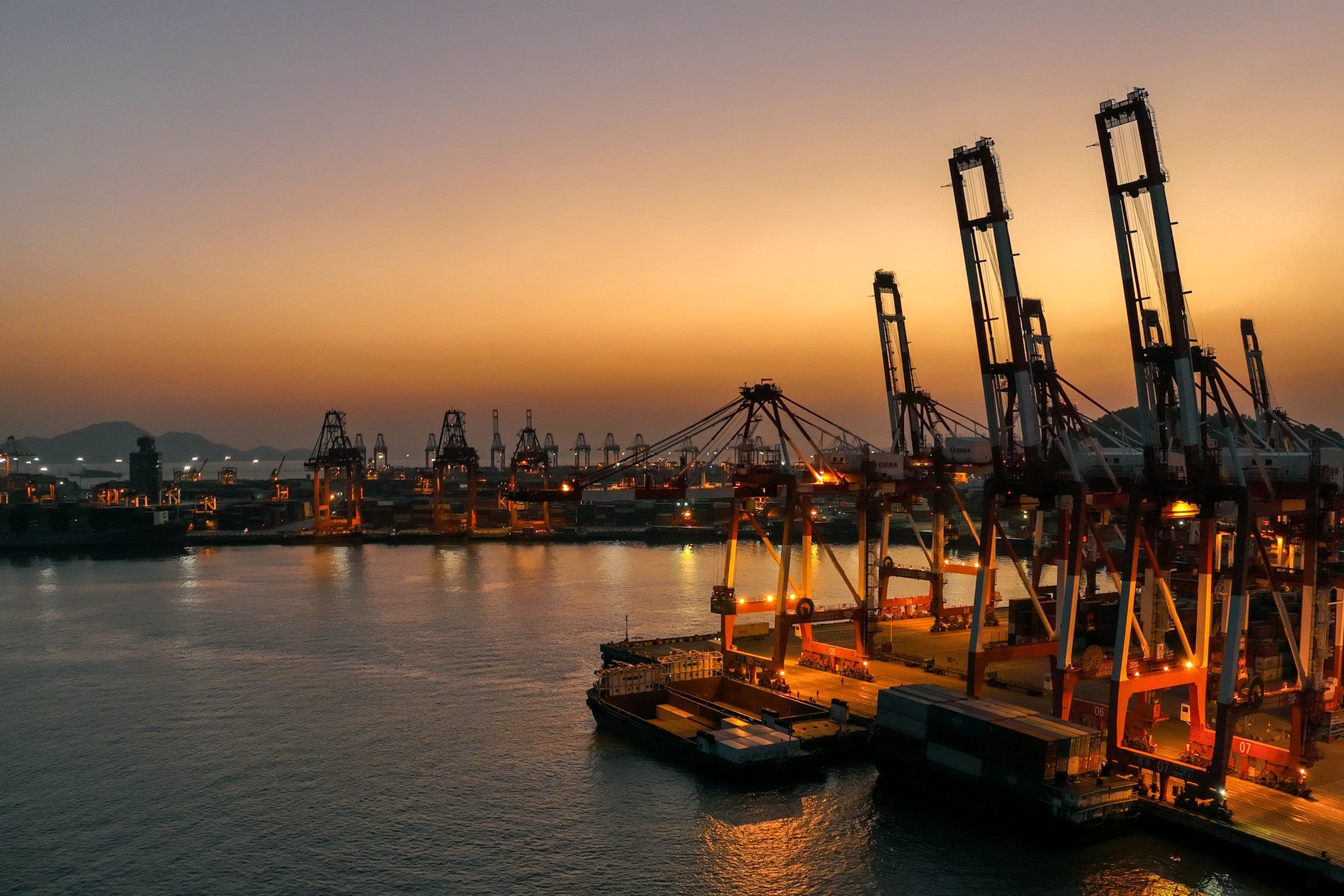
Paying a supplier in Asia uses the same international wire mechanics as paying one anywhere else. What differs is the mix of currencies, the role of trading companies and the expectations of local banks. Hong Kong acts as a hub for regional trade, so many suppliers in mainland China and Southeast Asia invoice through a Hong Kong company. Singapore plays a similar role for parts of Southeast Asia. Mainland China has its own currency rules, which shape how and in what currency suppliers can be paid.
The practical result is that an importer may order goods from a factory in Guangdong, receive an invoice from a trading company in Hong Kong and pay US dollars to an account in Hong Kong. That is a normal structure, but every part of it needs to be visible in the payment and the documents.
US dollars: the default for trade
The US dollar remains the most common invoicing currency for goods traded out of Asia. Many suppliers keep dollar accounts and price in dollars because their own costs, such as raw materials and freight, are often dollar-denominated.
A dollar payment to a supplier in Asia will normally clear through a US dollar correspondent, even when neither payer nor beneficiary is in the United States. That correspondent applies its own screening, which includes US sanctions and export control considerations. Goods descriptions, the countries involved and the parties' names all matter to that review.
Dollar payments can be the simplest choice when the supplier invoices in dollars and holds a dollar account. If you hold another currency, such as Canadian dollars or euros, converting to dollars before sending keeps the rate under your control.
Hong Kong dollars
The Hong Kong dollar is linked to the US dollar under a currency board arrangement, and trades within a narrow band against it. For a Hong Kong supplier with HKD costs, such as local staff, rent or domestic suppliers, being paid in HKD can be convenient.
Many Hong Kong trading companies hold multi-currency accounts and are equally happy to receive dollars. Ask the supplier which currency their account is set up to receive. Sending dollars to a Hong Kong dollar account, or the other way round, may trigger a conversion at the receiving bank's rate. Hong Kong bank accounts do not use IBANs. You will need the bank's BIC, its three-digit bank code, the branch code and the account number.
CNY and CNH in general terms
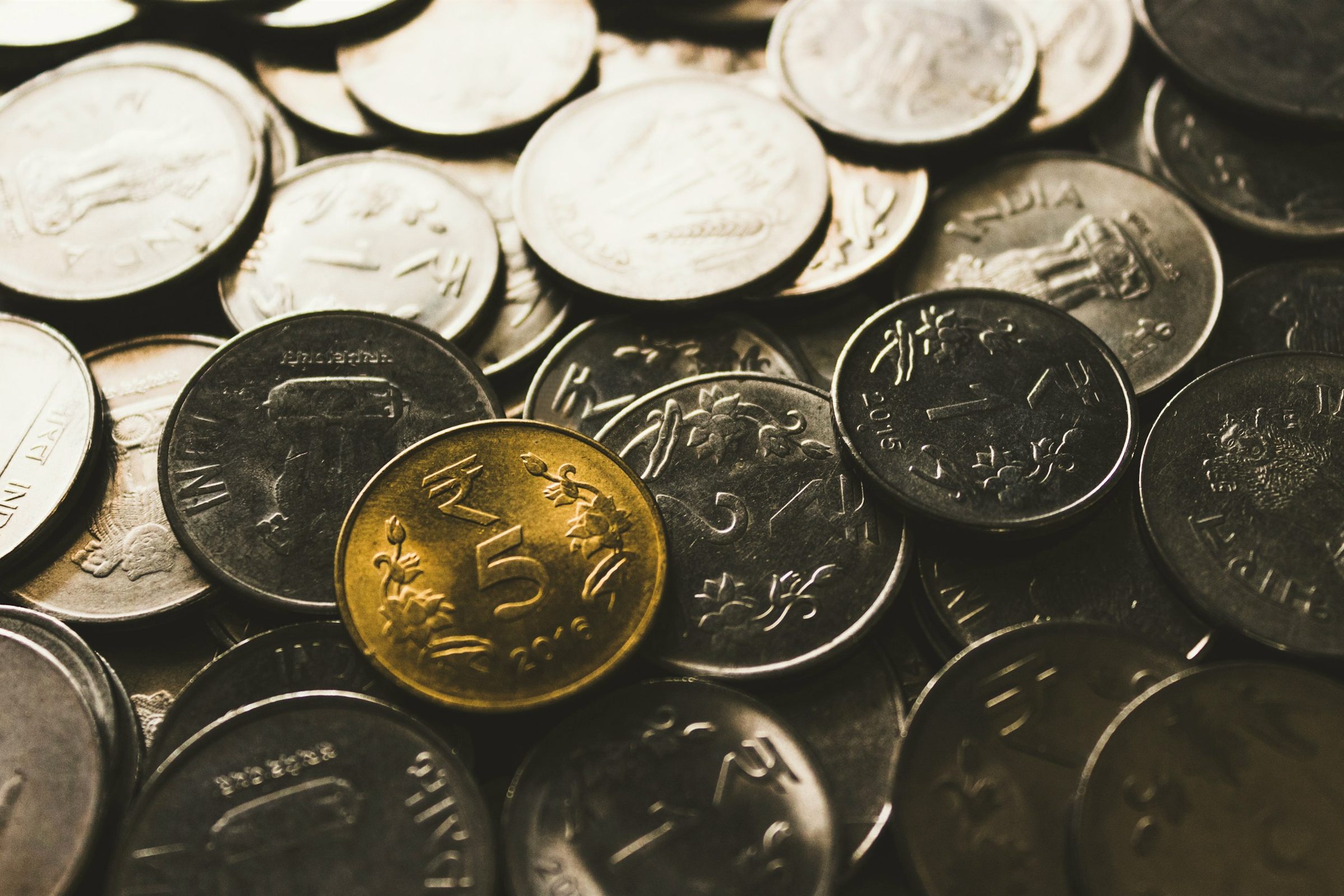
The Chinese currency is the renminbi, and its unit is the yuan. It trades in two related markets, which matters when paying Chinese suppliers.
- CNY refers to onshore renminbi, traded within mainland China under rules set by the People's Bank of China and the State Administration of Foreign Exchange. Access is controlled and conversion is tied to underlying transactions.
- CNH refers to offshore renminbi, traded mainly in Hong Kong and other financial centres. It is the same currency, but the offshore market is more open and the exchange rate can differ slightly from the onshore rate.
For an overseas importer, paying in renminbi usually means sending offshore renminbi into the cross-border settlement system, which then credits the supplier's account in mainland China. The supplier's bank will check that the payment relates to genuine trade, typically against the contract and invoice, before crediting. Payments to mainland China in any currency can be held while the receiving bank verifies documents.
Whether paying in renminbi makes sense depends on the supplier. Some prefer it because it avoids conversion costs on their side. Others are set up for dollar receipts and would rather keep it that way. Ask before you change.
Singapore and the rest of the region
Singapore suppliers commonly invoice in Singapore dollars or US dollars. The banking system is well connected and payments to established banks there are usually straightforward. Singapore bank accounts do not use IBANs. You will need the bank's BIC and the account number, and in some cases a bank or branch code.
Elsewhere in the region the picture varies. Some countries require purpose codes on incoming payments for central bank reporting, and the receiving bank may contact the beneficiary to confirm the purpose before crediting. Some local currencies are restricted, which makes US dollars the practical choice. Where you are paying a country for the first time, ask the supplier what information their bank needs on incoming foreign payments. They deal with it every day and will know.
What documents banks expect
Banks handling payments for goods from Asia expect to see a clear commercial basis. Keep these ready, and send them with the payment where your provider asks for supporting documents.
- Commercial invoice. Showing the supplier's full name and address, the buyer, the goods by description and quantity, unit prices, the total, the currency and the payment terms.
- Purchase order or sales contract. Particularly for deposits paid before goods ship.
- Proforma invoice. Often used for advance payments. Follow it with the final commercial invoice.
- Transport documents. A bill of lading or air waybill, for balance payments made after shipment.
- Packing list. Useful when a bank asks for detail about the goods.
Describe the goods specifically. "Electronic parts" invites a question. "Lithium-ion battery cells for e-bike assembly, model LX-36" answers it. Specific descriptions also help banks rule out export control concerns, which apply to certain electronics, machinery and chemicals.
Trading companies and third-party payments
It is common for the manufacturer and the invoicing company to be different. A factory in mainland China may sell through an affiliated trading company in Hong Kong. A sourcing agent may invoice on behalf of several factories.
That structure is legitimate, but it raises predictable questions. If the invoice is from one company and the payment goes to another, the bank will want to know why. The safest approach is to pay the company that issues the invoice, to an account in that company's own name. Where the supplier asks you to pay a different entity, ask for a letter on company letterhead explaining the relationship and authorising the payment, and keep it with the invoice.
Be very cautious with requests to pay an individual's personal account for goods supplied by a company, or to pay an account in a country unrelated to the supplier. These are common features of invoice fraud and draw scrutiny from every bank in the chain.
Common causes of delay
Supplier payments to Asia are held for a familiar set of reasons.
- Name mismatch. English names for Chinese companies may be translated differently in different documents. Use the English name exactly as it appears on the bank account, and the Chinese name too if the bank asks.
- Vague goods description. General terms lead to requests for detail.
- Mismatch between invoice and payment. Different amounts, entities or currencies without explanation.
- Document checks in mainland China. Receiving banks may require the beneficiary to submit documents before crediting.
- Time zones and holidays. Chinese New Year and Golden Week close mainland banks for several days, and Hong Kong has its own public holidays. Payments sent before these periods may not be credited until they end.
- Sanctions and export control screening. Particularly for goods with possible dual uses or routes involving sensitive countries.
Planning payments around shipments
Many supplier terms link payment to production or shipment: a deposit on order and the balance before or after shipping. Late balance payments delay shipments, so build in time.
An illustrative example: a retailer agrees a 30 percent deposit and a 70 percent balance against a copy of the bill of lading. The supplier wants the balance credited before releasing the original documents. The retailer sends the balance on the day the copy arrives, with the bill of lading attached as the supporting document and the invoice number as reference. If the payment had been sent the week before Chinese New Year, it might not have been credited until after the holiday, holding the goods at port.
Warn your payment provider about unusually large orders, new suppliers or new countries before you pay. A provider that knows what to expect can present the payment with the right context.
Currency timing between deposit and balance
Supplier terms that split payment into a deposit and a balance create a gap, sometimes of several months, between ordering and final settlement. If you earn in one currency and pay in another, the exchange rate can move a good deal over that gap.
An illustrative example: a Canadian importer agrees a purchase priced at 200,000 US dollars, with 30 percent due on order and 70 percent before shipment three months later. The deposit is converted from Canadian dollars at the rate on the day. By the time the balance is due, the Canadian dollar may be weaker or stronger, and the cost of the balance in Canadian dollars will have changed with it. The importer's margin on the goods moves accordingly.
There are simple ways to reduce the surprise using spot conversions. Some importers convert the full amount when the order is placed and hold the US dollars until the balance falls due. Others convert in stages as their own customers pay them. Whichever approach you take, decide it when you price the order, so the currency decision is part of the deal from the start. Decisions made in a hurry on the day the balance is due tend to be expensive ones.
Keep the conversion records with the order file. When you later review the profitability of a product line or a supplier, the true landed cost includes what you paid for the currency.
General information
This article is general information and is not legal, tax or regulatory advice. Currency rules in mainland China and elsewhere change, and individual banks apply their own requirements. CCYFX has a sales office in Hong Kong; the trade page explains how supplier payments are handled for importers and distributors.