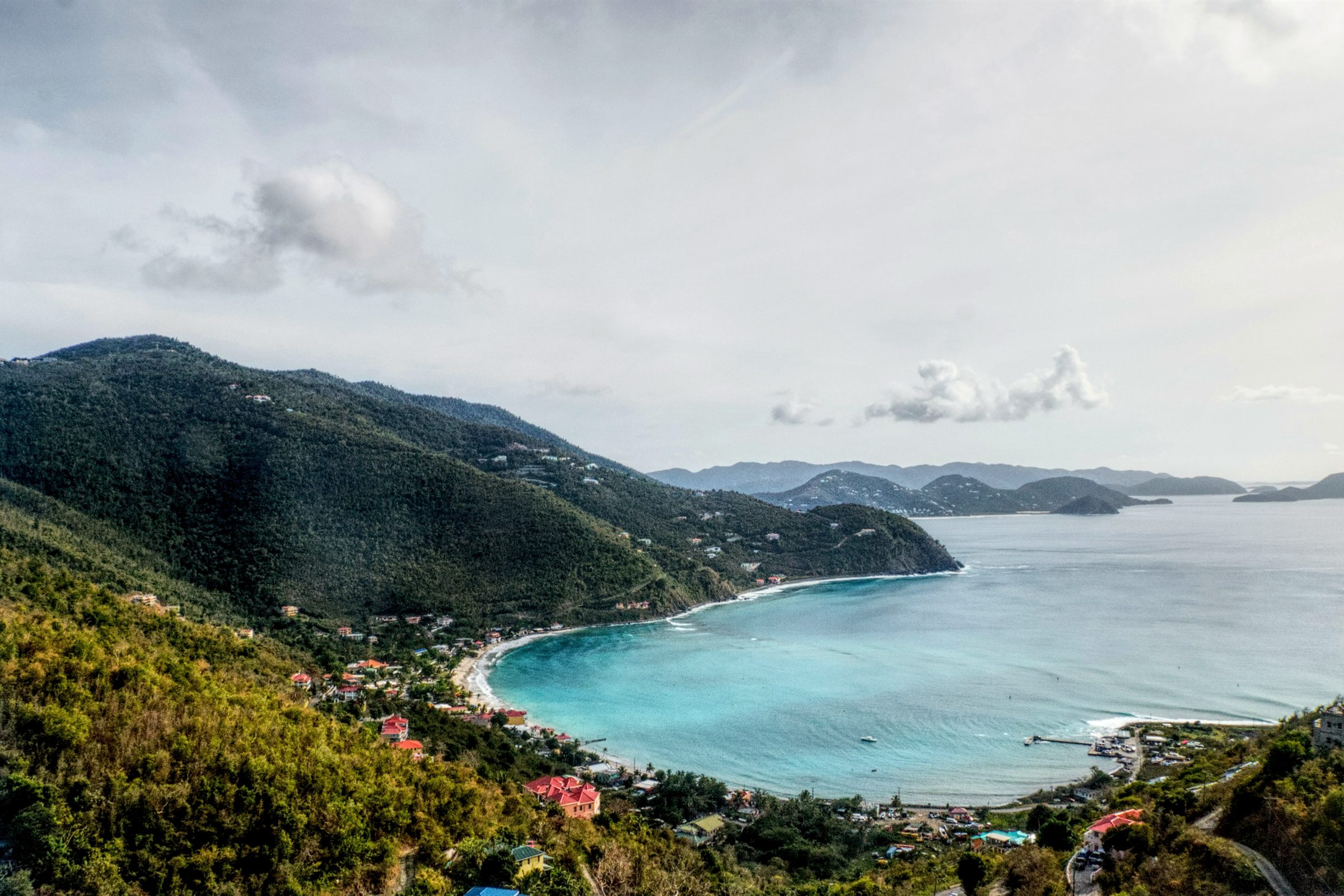
Seychelles and its corporate sector
Seychelles is an island republic in the Indian Ocean and a member of the Commonwealth. Its legal system is a mix of civil law, drawn from French tradition, and English common law, with company and commercial law strongly influenced by the common law. The country developed an international financial services sector from the 1990s, and the international business company, or IBC, became its best known product.
IBCs are now governed by the International Business Companies Act 2016, which replaced an earlier statute from 1994. The Financial Services Authority, the FSA, regulates the non-bank financial services sector in Seychelles, including corporate service providers, and maintains the register of IBCs. Every IBC must have a registered agent licensed in Seychelles, and only that agent can deal with the registry on the company's behalf.
The 2016 Act brought the regime closer to international transparency standards, with stronger record keeping, register and beneficial ownership requirements. Later amendments and related legislation added further obligations. Anyone relying on older descriptions of the Seychelles IBC, written when the regime was lighter, should check what applies now.
Main features in general terms
The general features of a Seychelles IBC resemble those of other offshore business companies.
- Separate legal personality and limited liability. The IBC holds assets and contracts in its own name, and shareholders' liability is limited to their shares.
- Minimal officers. One director and one shareholder are enough, and the same person can fill both roles. Corporate directors are allowed.
- Flexible share structure. Shares can be issued in different classes and currencies.
- Restrictions on local business. As the name suggests, an IBC is designed for business outside Seychelles. It generally cannot carry on business with Seychelles residents or own local real estate, subject to exceptions.
- Registered agent and office. Every IBC must have a licensed registered agent and a registered office in Seychelles.
- Annual obligations. The IBC pays an annual fee and must meet record keeping and filing obligations to stay in good standing.
Seychelles has also introduced rules on economic substance for certain activities and on the treatment of foreign source income, linked to international standards. The details are technical and change from time to time, so take local advice on how they affect any particular IBC.
Registers and records an IBC must keep
A Seychelles IBC must keep a set of registers and records. Under the 2016 Act and related rules, these include:
- Register of members. Showing shareholders, their holdings and the dates they became or ceased to be members.
- Register of directors. Showing current and former directors. A copy is filed with the registrar.
- Register of beneficial owners. Kept at the registered agent's office, discussed below.
- Minutes and resolutions. Of members and directors.
- Accounting records. Sufficient to show and explain the company's transactions and financial position. Requirements on where these are kept, and on providing them or a summary to the registered agent, have been tightened in recent years.
Where records are kept outside Seychelles, the IBC usually has to tell its registered agent where they are and ensure they can be produced. For practical purposes, the registered agent is the main source of certified copies of registers and incumbency certificates when the IBC opens accounts.
The register of members is not open to the public, and the shareholder information a third party can obtain from the registry is limited. As with other offshore companies, providers rely on certified extracts and incumbency certificates from the registered agent.
Beneficial ownership rules
Seychelles requires IBCs and other legal persons to identify their beneficial owners and keep a register of them. The information is lodged with the registered agent and, under Seychelles legislation on beneficial ownership, held in a central database accessible to the relevant authorities. It is not a public register.
A beneficial owner is broadly a natural person who ultimately owns or controls the company, through shareholding above a threshold, voting rights or other means of control. Where nobody meets the ownership test, a senior managing official may need to be recorded. The rules apply to IBCs with nominee shareholders as well, so the registered agent must know who stands behind a nominee.
For a payments provider, the existence of the register helps, but the provider does its own verification. It will want to see identity and address documents for each beneficial owner, a source of wealth explanation and, where nominees are used, the nominee agreements or declarations of trust.
How payment providers view Seychelles entities
This is the part of the story that matters most to anyone trying to open an account. Seychelles IBCs have been widely used for many purposes, legitimate and otherwise, and the jurisdiction has at times appeared on international lists of jurisdictions with strategic deficiencies or non-cooperative tax practices. Its position on those lists has changed over time as it reformed its laws, and should be checked at the time you apply.
The practical result is that many regulated providers treat Seychelles entities as higher risk by default. Some do not onboard them at all. Others will, but apply enhanced due diligence. Typical reasons a provider gives for caution include:
- Seychelles IBCs have historically been cheap and quick to form, and appear often in leaked data and enforcement cases.
- Many IBCs have no operations, staff or premises anywhere, which makes their activity harder to understand.
- Nominee directors and shareholders have been common.
- Older IBCs may have thin records from before the 2016 reforms.
A well run Seychelles IBC can still be serviced. The burden is simply on the applicant to show that the company is real, transparent and doing what it says.
Building a file that can be approved
When a Seychelles IBC applies to a provider that accepts the jurisdiction, the quality of the file usually decides the outcome. Aim to give the provider everything it would otherwise have to ask for.
- Corporate documents. Certificate of incorporation, memorandum and articles, a recent certificate of good standing and a certificate of incumbency from the registered agent.
- Certified registers. Members, directors and beneficial owners, certified by the registered agent.
- A clear chart. Every layer from the IBC to the individuals, with percentages.
- The real decision makers. If professional nominee directors are used, explain who gives instructions and provide the relevant agreements.
- Evidence of business. Contracts, invoices, a website, supplier and customer names, and financial statements or management accounts.
- Operating footprint. Where the people who run the business actually work, and why the group uses a Seychelles company.
- Source of funds and wealth. For the initial funding and for the beneficial owners.
- Tax residence. Self-certifications for international tax reporting purposes, which providers in reporting jurisdictions must collect.
A complete, consistent file of this kind turns a higher risk jurisdiction into a manageable case. A thin file with a nominee director and no evidence of trading is very unlikely to be approved by any careful provider.
Payment patterns and what to avoid
Once an account is open, a Seychelles IBC will be monitored closely. Patterns that tend to cause trouble include:
- Funds arriving and leaving on the same day with no clear link between the two.
- Payments to or from parties with no apparent connection to the described business.
- Round sum payments described only as services or consulting, without invoices.
- Frequent changes of counterparties in higher risk countries.
- Volumes far above what was declared at onboarding.
The practical answer is the same as for any company, applied more strictly. Keep invoices and contracts for every significant payment, warn the provider before an unusual transaction, and update the provider when the business changes. Use the IBC's own name on every payment and avoid paying personal expenses of the owners from company funds.
Keeping the IBC in good standing
An IBC stays on the register by paying its annual fee to the registrar through its registered agent, keeping a licensed registered agent and registered office in Seychelles, and meeting its record keeping and reporting obligations. Penalties apply for late payment, and an IBC that stays in default can be struck off. A struck off company cannot lawfully carry on business, and any account in its name will be restricted.
The registered agent relationship is particularly important for Seychelles entities. Agents are required to hold up to date information on the company, its directors, its beneficial owners and the location of its accounting records. If the company does not respond to the agent's requests, the agent may resign, and the company then risks falling out of good standing. Payments providers check good standing during periodic reviews and may also ask the agent to confirm current information directly.
A sensible routine is to diarise the annual fee date, respond promptly to the agent's annual information requests, send updated documents to your provider whenever directors or owners change, and keep a set of annual accounts or management accounts that matches the payments through the company's accounts. An IBC that is visibly well kept stands out from the many that are not.
When another jurisdiction may suit better
Some groups that hold Seychelles IBCs find that banking and payments become so difficult that the company stops being useful. Options they consider, with advice, include continuing the company to another jurisdiction, transferring the business to a new company elsewhere, or simplifying the structure by holding assets directly through an onshore entity. Each option has legal and tax consequences that need proper advice.
Our article on choosing a holding company jurisdiction sets out the general factors groups weigh, including how payments providers view each location, and our guide to the BVI business company covers a common comparable vehicle.
General information only
This article is general information about Seychelles IBCs and how payment providers assess them. It is not legal or tax advice, and the position on international lists changes, so check the current status with an adviser. CCYFX regularly onboards entities from a defined group of jurisdictions and considers others, including Seychelles, case by case. Our onboarding page explains what CCYFX asks for.